Spinal Cord Stimulator Lawsuit

Spinal cord stimulator (SCS) lawsuits are being filed that allege SCS manufacturers (Abbott, Boston Scientific, Medtronic, Nevro) failed to warn of dangers for these products, leading to injuries like internal burns, paralysis, and infection. Over 180,000 adverse reports filed with the FDA indicate high failure rates.

These cases involve allegations that manufacturers:

  • Failed to adequately test long-term safety and effectiveness
  • Used the FDA PMA supplement process to make significant device changes without sufficient clinical trials
  • Misrepresented the effectiveness of these devices for chronic pain
  • Failed to warn about risks including neurological and autonomic complications
Spinal Cord Stimulator Lawsuit

Injuries Linked to Spinal Cord Stimulators

Injuries linked to spinal stimulators include the following:

  • Burning caused by device
  • Electric shock by device
  • Lead wire fracture/migration
  • Urinary incontinence or retention
  • Gastroparesis
  • Dysphagia
  • Uncontrollable diarrhea (fecal incontinence)
  • Dizziness/fainting (cognitive complications)
  • Ineffective or worsening pain
  • Cardiac Arrhythmia

What is a Spinal Cord Stimulator?

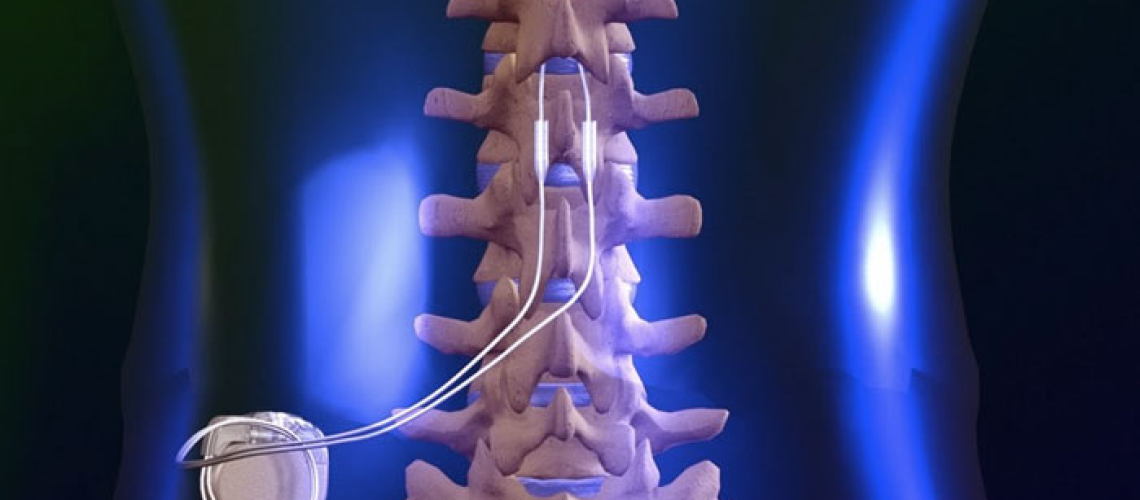
The first spinal cord stimulators (SCS) date back to the 1960s to help people with chronic back pain. The device has electrode wires that send low levels of electrical impulses to the spinal cord. A battery implanted under the skin provides the power to the leads.

Since the first SCS was developed by Medtronic in 1968, multiple advances have been made, and additional companies have developed other models. In the 1980s, long-lasting lithium batteries enabled spinal stimulators to become more sophisticated. Modern spinal cord stimulators are divided into three categories:

How a Spinal Cord Stimulator Lawsuit Could Help

For individuals who have been diagnosed with an injury linked to use of a spinal cord stimulator, the potential for legal recourse is a critical consideration. Victims may be entitled to financial compensation to cover the following:

  • Medical expenses
  • Lost wages
  • Pain and suffering
  • Punitive damages

Spinal Cord Stimulators

Cutaneous T-cell lymphoma (CTCL) is a rare type of skin cancer that affects white blood cells called T lymphocytes. It is a type of non-Hodgkin lymphoma.

Causes  – The exact cause of CTCL is unknown, but it is believed to be related to an abnormal growth and behavior of T cells.
Symptoms  – CTCL typically presents with skin lesions, which may include:
  • Red, scaly patches
  • Itchy bumps
  • Tumors
  • Enlarged lymph nodes
  • Skin thickening
  • Other symptoms may include: Fever, Weight loss, and Night sweats.

Diagnosis

CTCL is diagnosed through a physical exam, skin biopsy, and blood tests.

Treatment

Treatment for CTCL depends on the stage of the disease and the patient’s overall health. Options may include:

  • Topical medications (e.g., corticosteroids, topical chemotherapy)
  • Phototherapy (e.g., ultraviolet light)
  • Systemic chemotherapy
  • Targeted therapy
  • Stem cell transplant

Get Your Free Dupixent Case Evaluation

Our case evaluations are free, confidential, and carry no obligation. Call us or fill out the form on this page to get started.
858-868-7059 Fill Out Form
Rate This Service
5/5 - (4 votes)