

Exposure settings include:
- Countertop fabrication shops
- On-site installation crews
- Engineered-stone manufacturing plants
- Remodelers performing dry cutting of quartz


Silicosis is a chronic, incurable lung disease caused by inhaling silica dust, leading to lung scarring (fibrosis). Symptoms include a persistent cough and shortness of breath that worsen over time. Risk factors are occupations involving silica dust, such as fabricators, cutters, polishers and installers of engineered stone (quartz countertops). There are no treatments to cure silicosis, with management focusing on symptom control and prevention.
Silicosis lawsuits for artificial stone fabricators, cutters, polishers,
and installers involve claims that manufacturers, resellers, and others are liable for illnesses like silicosis caused by inhaling silica dust from engineered stone or artificial stone countertops.
These lawsuits allege negligence, arguing that companies failed to adequately warn or protect workers from the dangers of silica dust. Lawsuits are being filed by workers who have been exposed to silica dust from engineered stone countertops, seeking compensation for damages such as medical expenses, lost wages, pain and suffering and punitive damages.
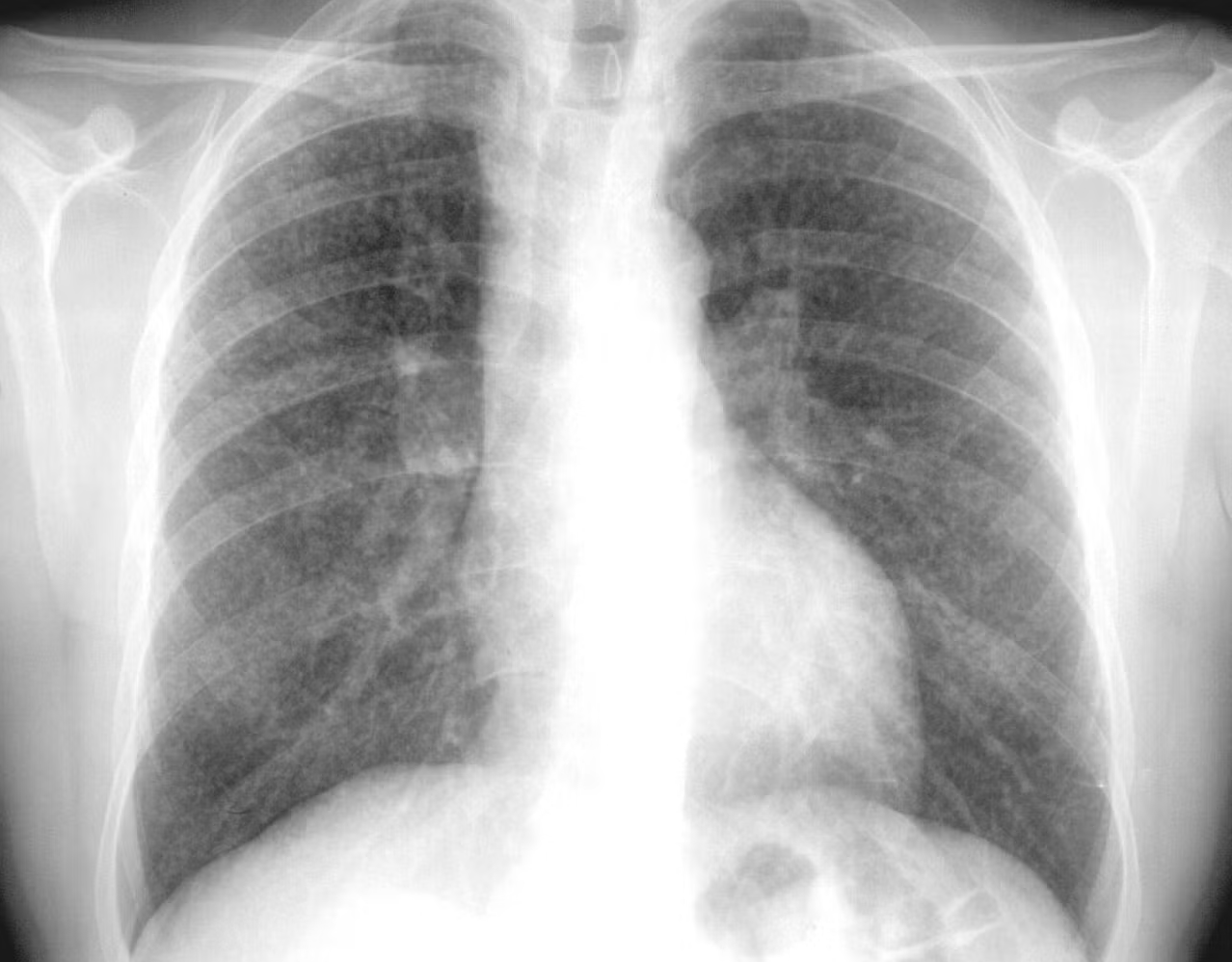
Artificial stone, also known as engineered stone, contains upwards of 90% silica, far more than granite and other forms of natural stone. Brought into use because it is cheaper and more durable than natural stone, they are composed of crushed quartz bound by a plastic resin. But the cutting of the slabs releases crystalline silica particles that can kill workers who inhale them. A hundred times smaller than a grain of sand, the particles can travel deep into the lungs, causing scarring that continues even after exposure stops. The result is slow suffocation from an incurable illness known as silicosis.
We are currently filing North Carolina Silicosis Lawsuits and South Carolina Silicosis lawsuits. However, we will investigate claims throughout the United States and the victim does not have to have US citizenship.
Silicosis and related injuries and disease are severe and fast-moving and include:
These injuries often occur with Hispanic men in their 20s–40s who decline rapidly after only a few years of shop exposure.
“Engineered/artificial stone silicosis has rapidly become one of the most alarming occupational disease trends in the Carolinas — and it’s now producing catastrophic injuries for artificial stone fabricators, cutters, polishers and installers.”
Silicosis is a rare and irreversible lung condition, which is often deadly and only known to be caused by breathing in silica dust. The disease starts with lung inflammation and scarring, but can eventually progress to lung failure.
A major source of silica dust is the fabricated stone countertop industry. Often referred to as “engineered stone,” these popular quartz countertops have been linked to a significant silicosis risk for stone fabricators, who often inhale large volumes of silica dust as they shape and cut the countertops to fit consumers’ kitchens and bathrooms.
Silicosis – Silicosis is a chronic, incurable lung disease caused by inhaling silica dust, leading to lung scarring (fibrosis). Symptoms include a persistent cough and shortness of breath that worsen over time. Risk factors are occupations involving silica dust, such as mining, construction, and sandblasting, and there are no treatments to cure silicosis, with management focusing on symptom control and prevention.
PMF (Progressive Massive Fibrosis) – PMF in the lung refers to severe scarring and large masses forming from inhaled dust (like coal or silica), causing shortness of breath, cough, and black mucus, leading to major lung dysfunction, often complicating black lung disease (CWP) or silicosis
Severe Restrictive/Obstructive Lung Disease – Severe restrictive/obstructive lung disease involves conditions making it hard to breathe, either by stiffening lungs (restrictive, like fibrosis) or blocking airways (obstructive, like COPD), often leading to extreme shortness of breath (dyspnea), cough, fatigue, low oxygen (hypoxemia), respiratory failure, and potentially pulmonary hypertension